
The Rooted Rhythm Blog
Offering expert guidance to help families nurture sensitive children, navigate parenting challenges, and embrace the wonder of raising extraordinary kids.

How can Self-Compassion for Women Help During Tough Emotional Times?
Many women facing tough times feel a variety of emotions. We all feel sadness, stress, and anger, but tough times also bring out a harsh inner voice that tells us that we should be handling things better or doing them differently. Women are also told to push through and stay composed during tough times despite emotional overwhelm. In such situations, self-compassion for women isn’t about ignoring the difficulties or the pain but rather about taking care of yourself first before you turn towards the world. Learning to meet yourself with kindness is a powerful form of healing that builds resilience and helps you thrive.
How Somatic Therapy for Women Supports Healing After Trauma
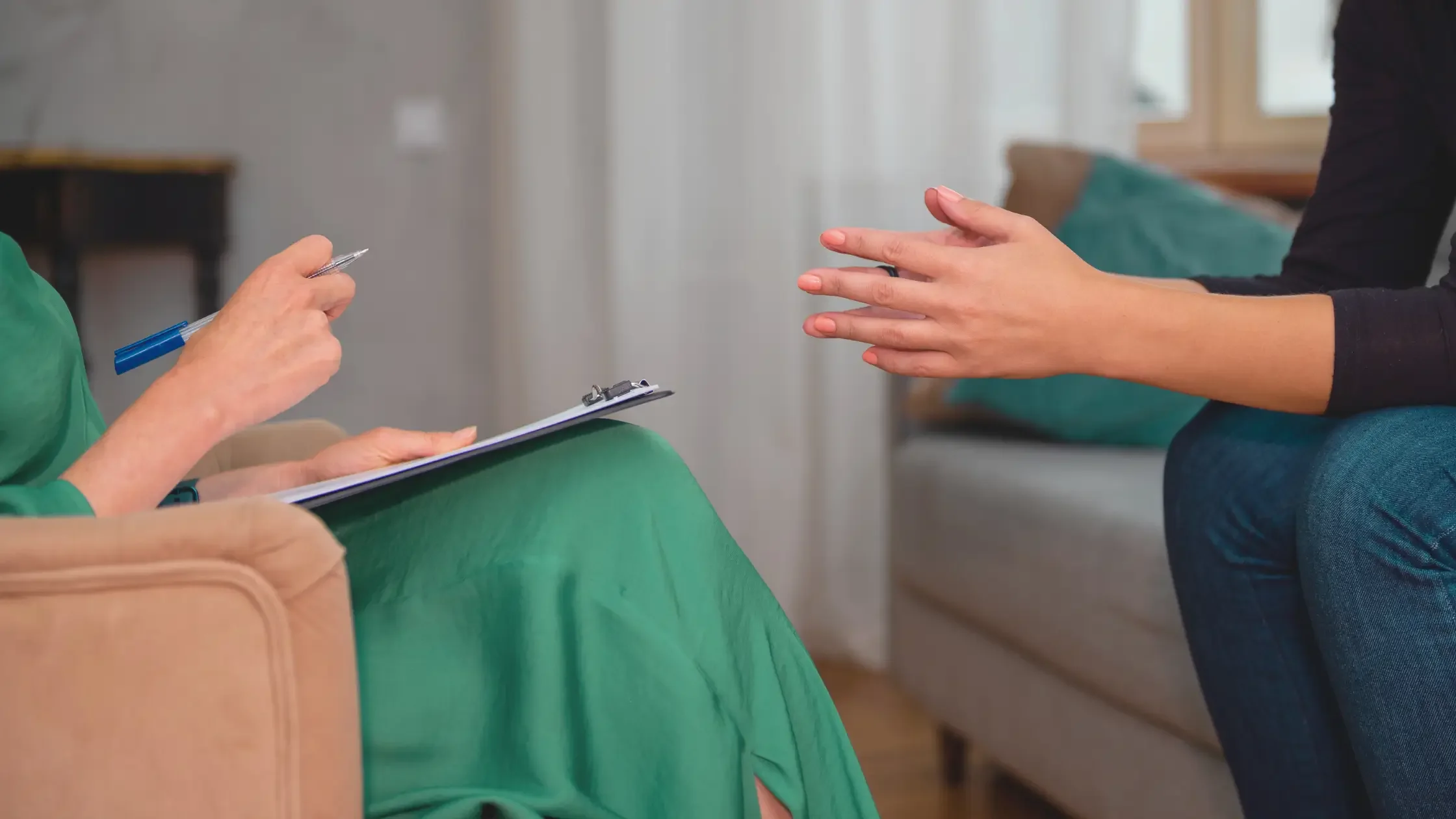
The trauma that we experience not only lives in our memories but in our bodies as well. For many women, this can make healing a confusing and frustrating process because they don’t realize how their tension and emotional overwhelm are rooted in past experiences. Without understanding the body’s role in trauma, it is very easy to feel like something is wrong with you. With somatic therapy, women can not only gain insight into their lived bodily experiences but also regain a sense of presence and trust that makes them feel whole again.

Why Saying No Feels So Hard: Understanding Guilt and Boundaries in Women
Saying “no” shouldn’t feel like a betrayal, but for many women, it does. The tension between guilt and boundaries in women runs deep, shaped by years of conditioning to be agreeable, helpful, and emotionally available. So when a woman sets a limit, even to protect her well-being, it can trigger an overwhelming sense of guilt as if she’s being selfish or letting someone down. But guilt isn’t always a sign you’ve done something wrong. Sometimes, it’s a sign you’re doing something new and necessary.

Anger in Women: How to Release Shame and Express Your Emotions Without Guilt
Anger in women is often misunderstood, even by the women feeling it. You might feel it simmer under the surface, only to shove it down out of fear of being “too much.” Or it erupts after weeks of keeping the peace, leaving you flooded with guilt. This isn't about having a short fuse. It's about living in a world that teaches women to be agreeable, composed, and selfless, while punishing emotional honesty. But anger isn’t the enemy. It’s a signal, a sign that something important needs attention, boundaries, or change!

Why Life Feels So Intense When You’re a Highly Sensitive Woman and How to Cope
Life can feel unusually loud, fast, and emotionally intense when you’re a highly sensitive woman. You might pick up on subtle shifts in mood, feel deeply affected by other people’s emotions, or become overwhelmed in environments that others find manageable. This isn’t a flaw; it’s a biological temperament known as sensory processing sensitivity, which research confirms is a legitimate and deeply felt trait. When understood and supported, sensitivity can become a powerful strength, but without tools or validation, it can also feel like a constant emotional uphill climb.

How Loneliness in Women Feels Different and What Helps You Reconnect
Loneliness in women doesn’t always look like being alone. Sometimes, it looks like being surrounded by people, yet feeling emotionally invisible. It can show up in caregiving, in over-functioning, or in saying “I’m fine” while something inside quietly aches. For many women, loneliness is not a lack of company but a lack of emotional connection, with others and with themselves. Naming this kind of loneliness is the first step toward healing, and support is available for reconnecting in ways that feel safe and real.

How Therapy Can Help withsay Perfectionism in Women Who Struggle to Feel Good Enough
Perfectionism in women often hides behind high achievement and endless to-do lists. On the outside, everything looks put together, but inside, there’s a constant feeling of not being good enough, of always falling short. This kind of perfectionism isn’t about having high standards; it’s about tying your worth to how perfectly you perform, care, and cope. Left unchecked, it can lead to burnout, anxiety, and emotional disconnection. But healing is possible, and it starts with understanding where perfectionism comes from and how therapy can help you rewrite the story!

How to Spot Burnout in Women and What to Do to Get Your Energy Back
Burnout in women often shows up as emotional exhaustion, irritability, sleep issues, and feeling disconnected from joy. It’s commonly caused by chronic stress, over-responsibility, and a lack of rest or emotional support. Spotting these signs early and building in gentle recovery practices can help women regain energy and reconnect with themselves.

What Is Hormone-Aware Therapy for Women and Why Does It Matter at Every Life Stage?
Hormone-aware therapy for women is a therapeutic approach that considers hormonal fluctuations from puberty through menopause. These changes deeply affect mood, emotional regulation, and mental health, influencing everything from anxiety and energy levels to irritability and self-esteem. By understanding how these biological rhythms shape emotional experiences, hormone-aware therapy offers a more tailored, validating, and effective form of support for women across every life stage.

How Women Can Learn to Trust Themselves Again: Daily Self-trust Practices for Reconnecting Within
As women, we move through the world with an inner light that guides us along the way. This light is what shines through when we truly trust ourselves. However, over time, this self-trust can diminish due to years of burnout and may lead to you feeling completely disconnected from yourself. This may look like overthinking or second-guessing a decision, or simply not feeling like yourself. But the good news is that through persistent self-trust practices, you can find a way back to yourself!

Navigating Life Transitions as a Woman: How to Rediscover Who You Are
Life doesn’t always follow a linear pattern. It is marked by ups and downs, personal triumphs and losses, and many unexpected surprises along the way. For women especially, life can hold deeply personal transitions such as changing careers, moving to a new city, becoming a mother, or going through menopause. Most of these transitions are both necessary and inevitable at the same time, but can leave women feeling disoriented. You may find yourself asking, How do I proceed from here?

When Self-Help Isn’t Enough: How Therapy for Women Offers Deeper Support
Self-help can be a comforting starting place. Books, podcasts, and journaling often offer language for what you’re feeling, a sense that you’re not alone. And while these are valuable, there comes a point when they may not be enough. Therapy for women offers something different. More than ideas, it provides grounding, attuned presence, and a place to listen to what your body and heart are carrying. Despite doing everything you can on your own, if you still feel like you’re carrying too much, it’s okay to seek more support.