
How Loneliness in Women Feels Different and What Helps You Reconnect
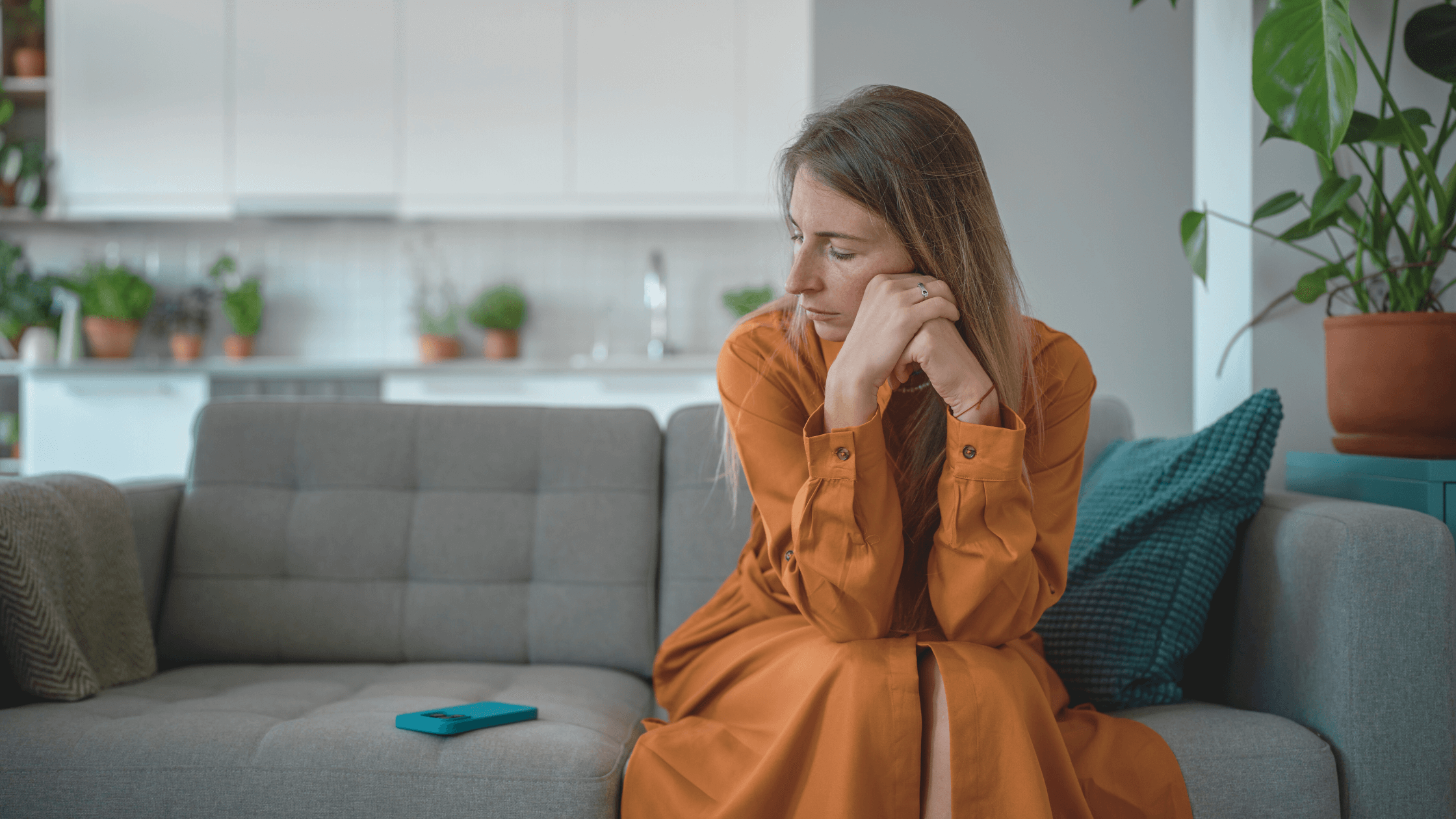
Loneliness in women doesn’t always look like being alone. Sometimes, it looks like being surrounded by people, yet feeling emotionally invisible. It can show up in caregiving, in over-functioning, or in saying “I’m fine” while something inside quietly aches. For many women, loneliness is not a lack of company but a lack of emotional connection, with others and with themselves. Naming this kind of loneliness is the first step toward healing, and support is available for reconnecting in ways that feel safe and real.
Why does loneliness in women feel different?
Loneliness in women often doesn’t stem from being alone; it comes from feeling unseen, unheard, or emotionally unsupported.
Many women live full, busy lives surrounded by people, yet still carry a quiet ache inside. A sense that no one really knows them, or that their needs always come second. This type of loneliness is deeply relational and often tied to how much emotional labor women are expected to give without receiving it back.
What makes loneliness in women particularly complex is how it's shaped by gender norms. Women are conditioned to be caregivers, emotional anchors, and peacekeepers. But when you’re always the one holding space for others, there’s often no room left for your own inner world to be witnessed.
Women are more likely than men to report feelings of emotional isolation, especially during life transitions or identity shifts. Unlike the stereotype of loneliness as physical solitude, women’s loneliness is more often internal. A disconnection from being emotionally met, not just socially present.
This difference matters because if you don’t recognize it as loneliness, you can’t begin to heal it.
How does loneliness affect women’s mental health?
Loneliness in women doesn’t just feel heavy; it impacts emotional health in quiet, far-reaching ways.
It can show up as persistent low mood, brain fog, or trouble sleeping. You might find yourself feeling numb, restless, or disconnected from joy. Over time, this emotional disconnection can deepen into anxiety, irritability, or even depression, especially when it goes unspoken.
When women feel emotionally isolated, their internal world becomes harder to access. You may stop sharing your needs, censor your emotions, or default to saying “I’m fine” when you’re anything but!!
This kind of loneliness chips away at self-trust. It tells you your feelings are too much, or that you have to carry everything alone. And because it’s often hidden behind high-functioning or caretaking, others rarely see it, leaving you feeling even more invisible.
That’s why emotional support is essential. Not just to reduce symptoms, but to rebuild the internal sense that your feelings matter and deserve to be heard.
What causes loneliness in women?
There’s no single cause of loneliness in women, but there are patterns, shaped by life stage, environment, and emotional conditioning.
In younger women, loneliness can stem from the pressure to belong or perform in social settings, especially in the age of filtered perfection. You might have a full social calendar yet still feel emotionally unseen or disconnected from your true self.
In midlife, loneliness often creeps in during identity shifts such as motherhood, career transitions, caregiving, or menopause. Many women describe this time as a quiet erasure, when their emotional needs are buried under responsibility. Studies show that midlife women face unique loneliness linked to changing roles, body image, and societal invisibility.
Older women, especially those living alone or navigating grief, often face increased isolation. But even then, it’s not just physical solitude; it’s a lack of emotionally fulfilling connection that can feel most painful.
Across all ages, a few common threads emerge: emotional labor that isn’t reciprocated, fear of being “too much,” and a culture that often values what women do more than who they are. When these layers go unnamed, loneliness grows quietly. But naming it is the beginning of coming back to yourself, and to others.
What are 5 common behaviors of women battling loneliness?
Loneliness in women often hides in plain sight. It doesn’t always look like sadness or isolation. Sometimes, it looks like doing everything right.
Here are five common behaviors women may adopt when they’re silently battling loneliness:
Over-functioning.
You keep busy, take on more than you can handle, and feel most comfortable when you’re doing. This constant motion distracts from the emptiness underneath.
People-pleasing.
You say yes when you want to say no, and make others comfortable at your own expense. It’s a way to feel needed, even if it leaves you emotionally depleted.
Scrolling or numbing.
Endless social media, TV binges, or mindless distractions can signal emotional avoidance. It offers temporary relief from the ache of disconnection.
Withdrawing from meaningful connection.
Even if you’re surrounded by people, you may avoid vulnerability or keep relationships surface-level. There’s a fear that being fully seen will lead to rejection.
Saying “I’m fine” when you’re not.
This phrase becomes a shield. You might not feel safe enough to express what you really need, or believe no one would understand if you did.
These behaviors are protective. They form when connection doesn’t feel safe or available. But over time, they deepen the sense of emotional distance. Recognizing them with compassion is a powerful first step toward healing.

How can women reconnect emotionally?
Reconnection doesn’t start with other people; it starts with you!
When loneliness in women runs deep, the first step isn’t forcing social plans or pretending to be okay. It’s creating space to feel what’s real. Emotional reconnection begins by turning inward with curiosity, not judgment.
Start with small moments:
Journaling how you feel without filtering.
Mindful pauses throughout your day to notice what you need.
Asking yourself regularly: “What am I feeling right now, and what would support me?”
Reconnection also means practicing vulnerability, with yourself and with others. That might mean reaching out to someone you trust and saying, “I’ve been feeling off lately, can we talk?” Or allowing yourself to be seen, even when you’re not polished or composed.
Building emotionally safe relationships takes time. Look for those who respond with presence, not fixes. People who make space for your truth instead of bypassing it.
Therapy can help create this safety. A skilled therapist can help you recognize patterns, release old beliefs, and reconnect with the part of you that longs to be known by others and by yourself.
If you’re unsure where to begin, this guide on rebuilding self-trust offers gentle practices to support reconnection from within. And if you’re ready to talk to someone, we offer a free 15-minute consultation to help you explore whether therapy feels like the right next step.
FAQ: Loneliness in Women
Q1. Why does loneliness in women often go unnoticed?
Because it can hide behind high-functioning roles like caregiving, overachieving, or always being “fine.” Women may appear socially connected but still feel emotionally isolated underneath.
Q2. How does loneliness in women show up emotionally?
It can feel like numbness, emptiness, resentment, or invisibility even when surrounded by people. There’s often a quiet sense of not being truly seen or understood.
Q3. What causes loneliness in women?
Common causes include unreciprocated emotional labor, over-functioning, disconnection from self, lack of safe emotional relationships, and societal expectations that discourage vulnerability.
Q4. How can therapy help with loneliness in women?
Therapy offers a space to name what’s been unspoken, reconnect with your inner world, and build emotionally honest relationships. It helps you feel seen, not just supported.
Written by the Rooted Rhythm team, a women’s therapy practice that supports reconnection, emotional resilience, and nervous system safety. At Rooted Rhythm, we help women who feel emotionally invisible, overextended, or disconnected come back to themselves. Our relational, somatic approach to therapy is designed to create space for your truth, rebuild trust in your inner world.
Do you have a highly sensitive child?
We have created a course (Tuned In Parenting Course) that covers all from parenting techniques, to self-regulation, setting expectations, healthy boundaries and so much more. If you feel like starting with a sneak peak visit our Instagram page or check our mini courses: The Highly Sensitive Child and Parenting Essentials. We created these resources with care, and our hope is that they bring you clarity, support, and a sense of ease in your parenting journey.