
Tuned In Together
Community-Based Mental Health Partnerships
Healing happens in the context of relationships and community.
At Rooted Rhythm Therapy, our commitment to children and families extends beyond the walls of our therapy offices. Through partnerships with schools, early childhood programs, nonprofits and community organizations, we bring relationship-centered mental health care into the environments where children learn, play and grow.
Our community-based work is grounded in attachment science, a social justice lens and the belief that every child deserves access to meaningful mental health care.
Our mission
Bringing care into the spaces where children already belong
We believe that access to high-quality, developmentally appropriate mental health care should not be determined by a family's race, socioeconomic circumstances, insurance coverage, transportation or ability to navigate complex systems.
We recognize that children's emotional and relational well-being cannot be separated from the social, cultural and economic conditions in which they grow up. Systemic inequities, discrimination, intergenerational trauma and unequal access to resources can profoundly shape the experiences of children and their families.
Our community-based programming is an extension of our outpatient clinical practice, with a particular commitment to historically underserved and marginalized communities.
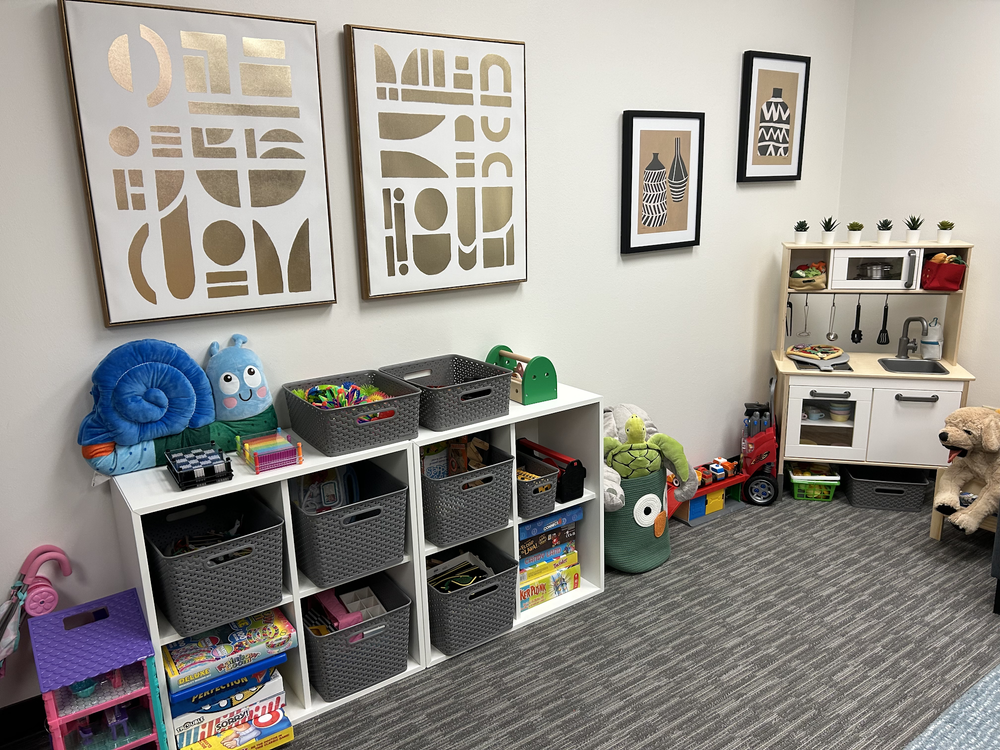
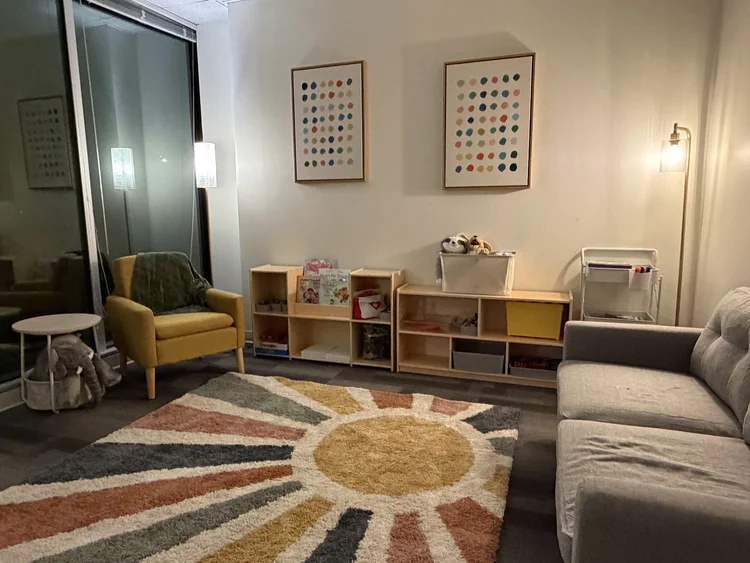
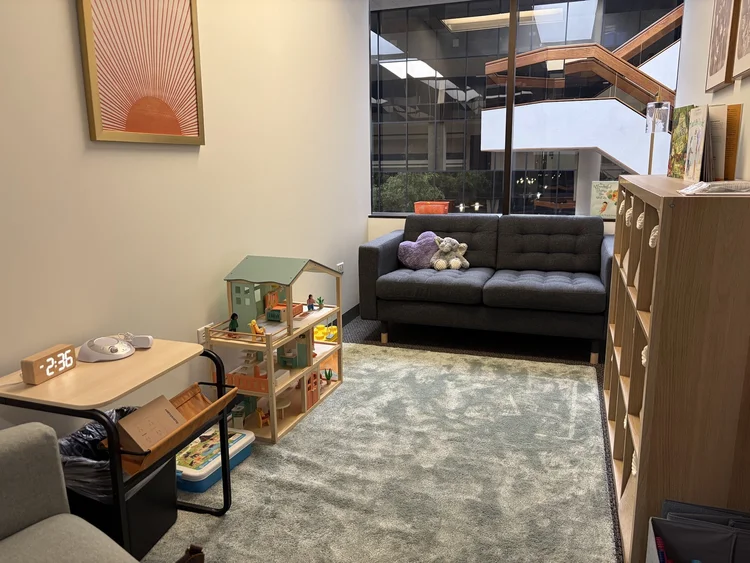
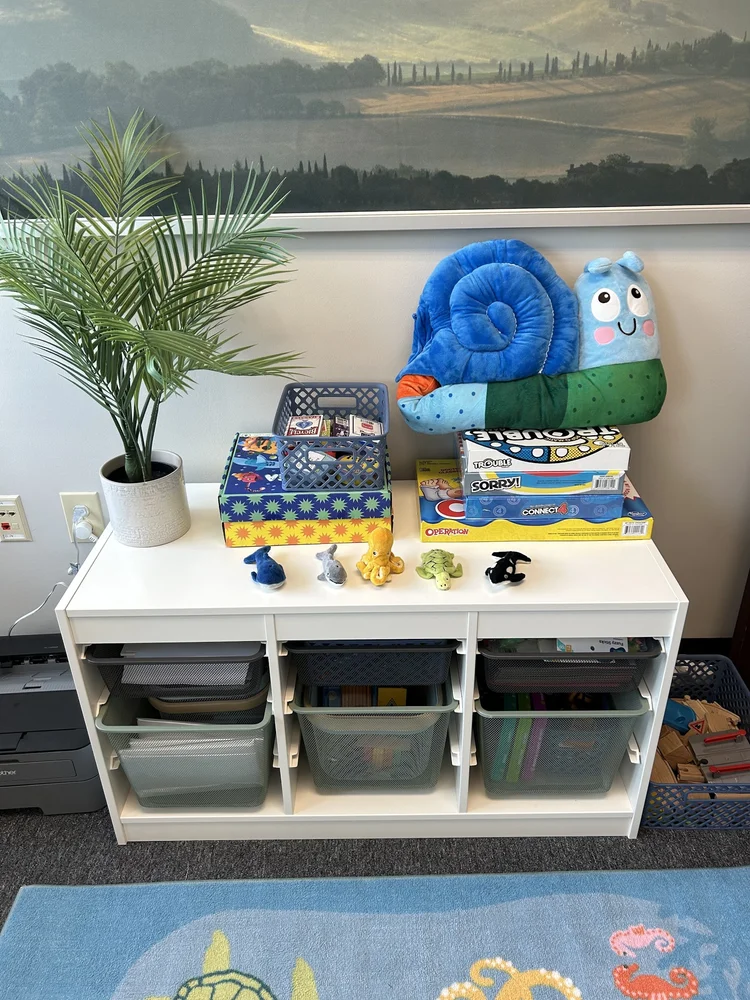
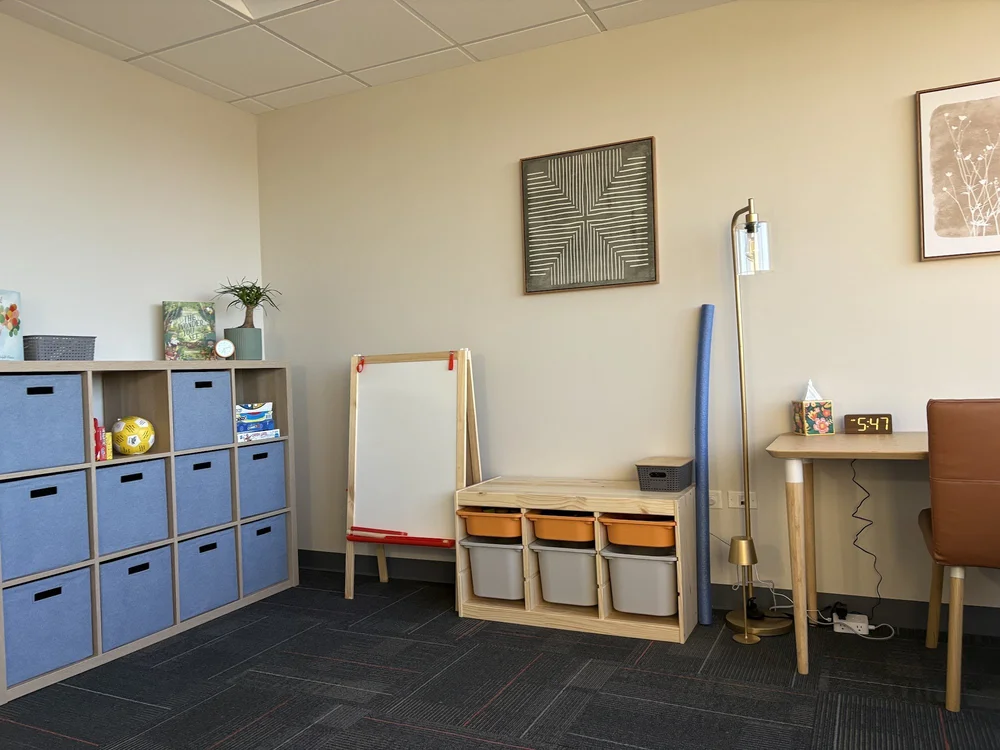
Whenever possible, we create dedicated therapeutic spaces within community settings that reflect the same warmth, intentionality and clinical integrity as our Rooted Rhythm offices.
We believe that children receiving care through Medicaid or community-funded programming deserve the same quality of therapeutic care, thoughtfully designed environments and highly trained clinicians as children receiving care through private practice.
Our clinical approach
Grounded in the Tuned In methodology
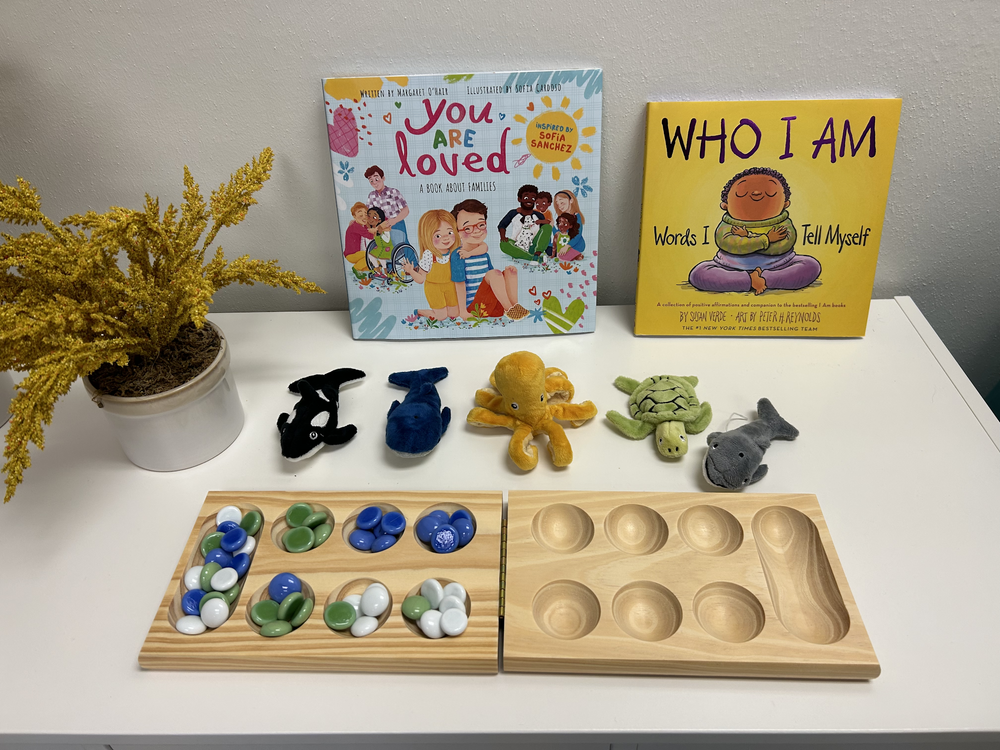
Our approach integrates attachment science, child development, trauma-informed play therapy, nervous system regulation, caregiver involvement and a social justice lens.
We understand children within the context of their relationships, developmental histories, cultural identities, lived experiences and environments.
Rather than focusing solely on reducing challenging behaviors, we seek to understand what those behaviors communicate. This includes recognizing when a child's responses may be adaptive responses to adversity, instability or systemic stressors rather than symptoms of an individual deficit.
Our work is grounded in five foundational areas
Attachment and relational development
Developmentally appropriate, trauma-informed play therapy
Nervous system regulation and co-regulation
Meaningful caregiver involvement
Cultural humility, social justice and an understanding of systemic influences on mental health
Our commitment to community
Working alongside communities, not simply within them
We recognize that communities hold their own wisdom, strengths, cultural traditions and established networks of care.
Our role is not to enter a community with predetermined solutions, but to listen, learn and work alongside the people who already hold meaningful relationships with children and families.
We are committed to strengths-based programming that honors cultural identity, family autonomy and the resilience that exists within every community.
This means remaining curious about our own assumptions, recognizing power dynamics within mental health systems and continually examining how our clinical practices can become more equitable, responsive and accessible.
We believe that meaningful community-based work requires trust, consistency, humility and a willingness to be held accountable to the communities we serve.
Tuned In for educators
Caring for the adults who care for children
Children's capacity for emotional regulation develops within relationships. The well-being of the adults around them is an essential part of that process.
Our Tuned In resources help educators and community providers deepen their understanding of child development while recognizing the broader social and systemic pressures that affect both children and the adults caring for them.
Understanding behavior in context
Moving beyond the behavior itself to consider a child's developmental stage, relational experiences, cultural identity, environment and underlying needs. This includes examining how implicit bias and systemic inequities may influence the ways children's behaviors are interpreted and addressed.
Sustainable caregiving
Supporting educators in developing healthy boundaries, recognizing compassion fatigue and caring for themselves within the demands of their work, while acknowledging that burnout is not simply an individual regulation issue but can also reflect systemic challenges.
Accessibility
Equitable access to high-quality care
Accessibility is central to our mission, but access alone is not enough. The quality, consistency and dignity of the care families receive matter just as much.
Rooted Rhythm works with a range of commercial insurance and Medicaid plans, with coverage varying by location and provider. We also welcome opportunities to collaborate on grants and other funding initiatives that expand access to care.
We are committed to developing financially sustainable models that allow us to invest in our clinicians, maintain continuity of care and provide meaningful therapeutic services across socioeconomic backgrounds.
Developing a partnership
Thoughtful beginnings. Sustainable relationships.
We believe meaningful community partnerships take time to develop.
We begin by listening, learning about the community, understanding its existing resources and identifying where our clinical services may offer meaningful support.
We prioritize consistency, continuity of care and long-term relationships. We recognize the importance of honoring our commitments, particularly within communities that have historically experienced inconsistent access to services.
A partnership may begin with
- A dedicated therapist on-site one day per week
- Professional development for staff
- Caregiver programming
- Or a combination of services
Rooted in community
We believe that supporting children's mental health is both a clinical responsibility and a collective responsibility.
Children thrive when their families, schools and communities have the resources, relationships and support they need to thrive alongside them.
We welcome dialogue with organizations that share our commitment to social justice, equitable access and relationship-centered mental health care.
For community partnerships, collaborative programming and funding initiatives, please connect with our founder at sophie@rootedrhythm.com.