The Rooted Rhythm Blog
Offering expert guidance to help families nurture sensitive children, navigate parenting challenges, and embrace the wonder of raising extraordinary kids.

How to Support a Sensitive Child with Separation Anxiety
If saying goodbye at school drop-off, bedtime, or even just running errands leaves your child in tears and your heart heavy, you’re not alone. Separation anxiety is a normal part of development. But for sensitive children, it can feel more intense, more prolonged, and more deeply rooted in their nervous system. These aren’t just clingy behaviors. They’re expressions of real distress and signals that your child needs support, not shame.

School Refusal in Sensitive Children: A Parent’s Guide to Getting Through It Together
When a child refuses to go to school, it can leave parents feeling confused and even helpless. Because so many times, nothing they say or do really helps change their kid’s mind. And if you have faced a similar situation, then you are not alone!! For sensitive children, school refusal can be a sign of emotional overwhelm or nervous system distress that we can very easily miss. Understanding what’s really going on beneath the surface is the first step in supporting your child.

Creating Family Rhythms for Sensitive Children That Support Their Nervous System
The world can be unpredictable and a little too fast for sensitive children who feel everything deeply. This is where family rhythms for sensitive children step in! These are repeated, grounding routines that offer calm and introduce a sense of predictability into their routines, and can do wonders if practiced for a long time. This is not about strict schedules that may feel too rigid, but just a different way of doing things that allows sensitive children to regulate emotionally and find stability in their environments.

How Parent-Child Interaction Therapy Helps Sensitive Kids and Stressed Parents Reconnect
If parenting your sensitive child has started to feel like a cycle of stress, guilt, and second-guessing, you are not alone. Many caregivers of emotionally intense or easily overwhelmed children find themselves walking on eggshells, unsure how to set limits without triggering a meltdown, and craving more connection but not knowing how to find it. This is where Parent-Child Interaction Therapy (PCIT) can make a powerful difference. PCIT is a structured, evidence-based approach designed specifically for children ages two to seven who struggle with big feelings, anxiety, or behavioral challenges.
Entering a Child’s World Through Play: How Non-Directive Play Therapy Builds Inner Resilience
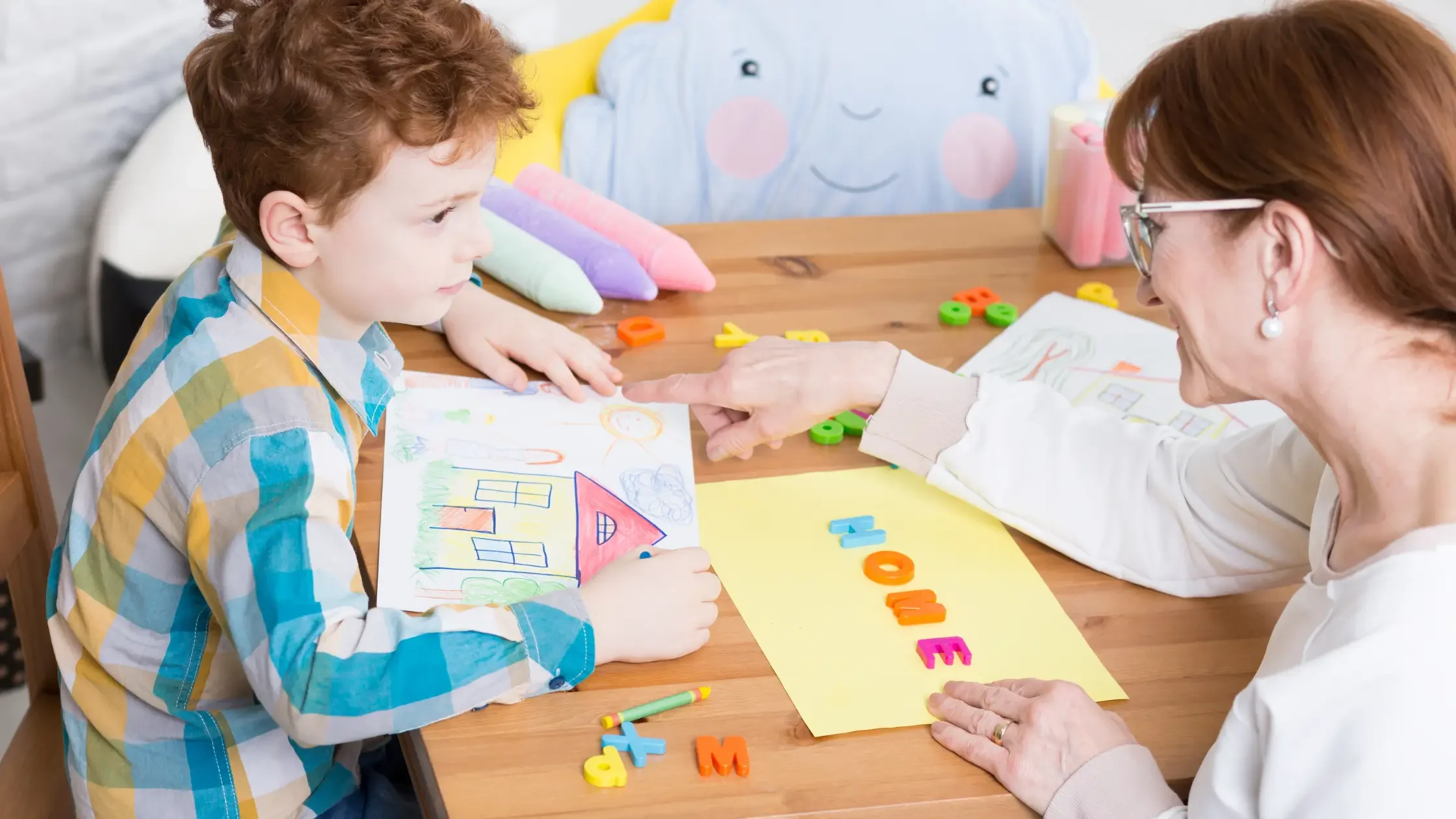
If you’ve ever watched your child fully immersed in play, building a tower, pretending to cook, talking to invisible friends, you’ve witnessed something far deeper than a simple pastime. Play is a child’s natural language. It’s how they process the world, express emotions, and work through experiences they can’t yet name. Non-directive play therapy honors this inner world by allowing children to lead the way. Without pushing, fixing, or instructing, it invites healing through connection, trust, and presence.

Supporting Child Autonomy: Gentle Ways to Encourage Self‑Direction and Growth
Decision-making is a skill central to everyday life, yet it is often overlooked in childhood. Parents sometimes focus more on routines and rules than on helping children build confidence in their own decisions. But it is important to know that true autonomy is not just about letting children do whatever they want!! It is about nurturing their sense of emotional safety and self-confidence. Supporting child autonomy helps develop resilience, intrinsic motivation, and emotional regulation so that children grow into confident adults.

Depression in Children and Teens: Signs Every Parent Should Know
As a parent, you’ll witness your child through their many emotional phases. Happy for their first day of school, cranky about the math test, giddy after a sleepover, or heartbroken over a lost friendship. These emotional ups and downs are a natural and essential part of growing up. But when emotions like sadness or irritability linger for longer than expected, it could be a sign of something else!! Depression in children and teens goes unnoticed because it doesn’t show up the way depression in adults does.

How Play Therapy for Trauma Helps Children Heal Emotionally
Play therapy for trauma invites children into a language they know best: play. In safe, intentional spaces, kids are gently guided through their experiences, without needing to use words they often don’t have. Whether they’ve experienced a single event or ongoing challenges, play becomes their bridge to safety, expression, and growth. It allows them to show us their inner world through stories, movement, art, and connection. With the right therapeutic environment, one that’s safe, relational, and attuned, play therapy becomes more than just play.

Recognizing Hidden Signs of Anxiety in Children (That Don’t Look Like Worry)
Anxiety in children doesn’t always look like fear or trembling hands. Sometimes, it hides in plain sight. It can show up as anger, stomachaches, perfectionism, or even nonstop talking. As therapists and parents ourselves, we’ve seen just how often children carry anxiety in their bodies, their behaviors, or even their silence. It’s not always obvious, and that’s what makes it so tricky!