
The Rooted Rhythm Blog
Offering expert guidance to help families nurture sensitive children, navigate parenting challenges, and embrace the wonder of raising extraordinary kids.

Recognizing and Managing Burnout in Parents and Caregivers
Burnout in parents is more than just feeling tired. It’s a full-body, heart-heavy exhaustion that doesn’t ease with a single good night’s sleep. It’s waking up feeling just as exhausted as when you went to bed. Unlike normal fatigue, burnout doesn’t just pass. It lingers, shifts your mood, drains your joy, and leaves you feeling emotionally distant from the very people you love most!

Social Media and Teen Mental Health: What Every Parent Needs to Know
If you were to think of social media platforms you used as a teenager, you probably would be able to just list down a handful. In the present world, however, social media has evolved into gigantic digital arenas filled with traffic and glamour, with usage that is consistently increasing. This usage is mostly rampant amongst teenagers, with research claiming that up to 95% of children aged 13-17 are using a social media platform, with more than a third using it almost constantly. This is why it’s more important now than ever to understand the link between social media and teen mental health.

Depression in Children and Teens: Signs Every Parent Should Know
As a parent, you’ll witness your child through their many emotional phases. Happy for their first day of school, cranky about the math test, giddy after a sleepover, or heartbroken over a lost friendship. These emotional ups and downs are a natural and essential part of growing up. But when emotions like sadness or irritability linger for longer than expected, it could be a sign of something else!! Depression in children and teens goes unnoticed because it doesn’t show up the way depression in adults does.
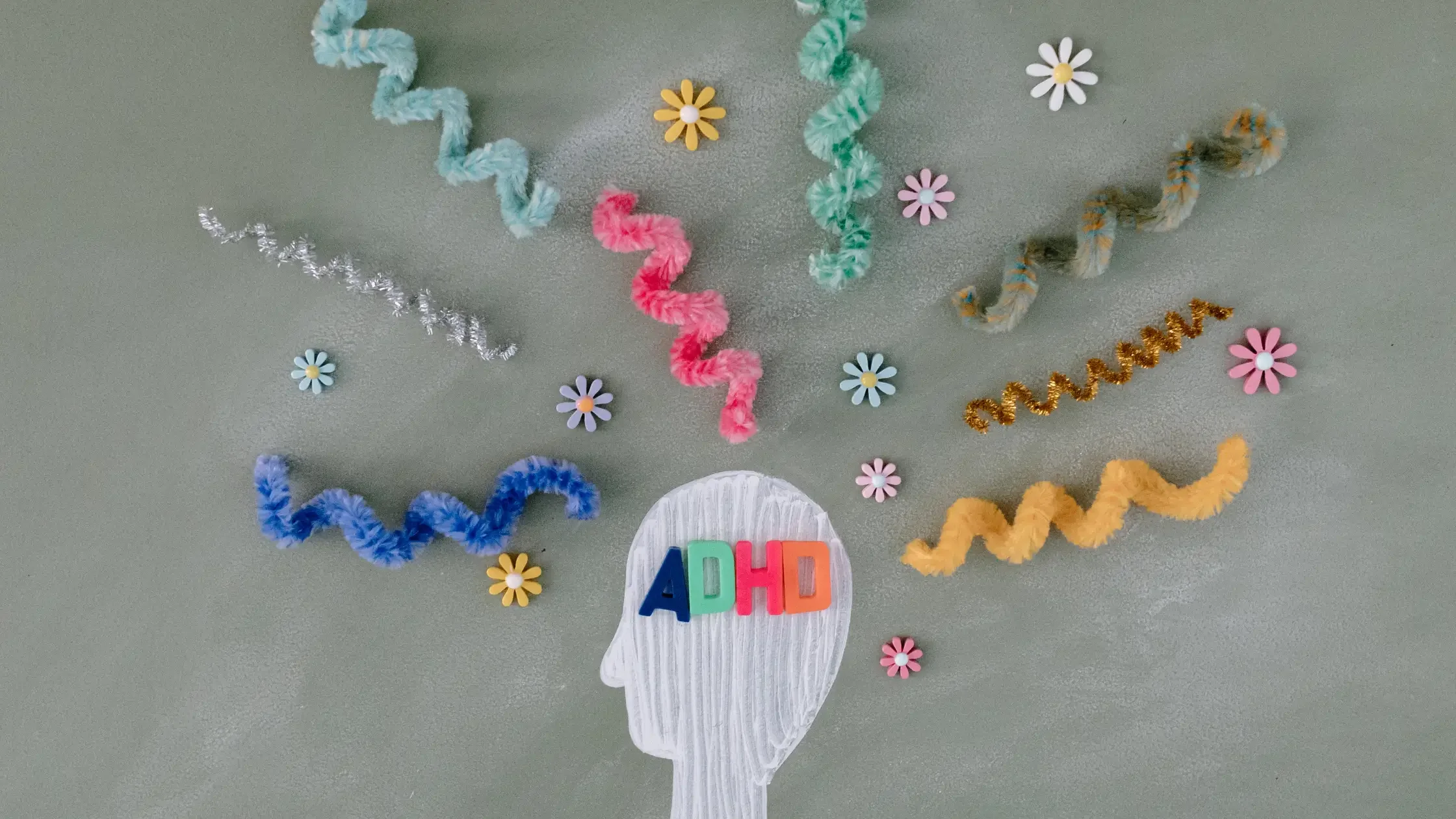
ADHD vs Highly Sensitive Child: How to Tell the Difference and Support Your Child
As a parent, you will often find yourself at a crossroads with many life decisions when it comes to your child. Some will be big, some small, but all confusing in their own way. Is it time to switch to solids? Or is it wise to allow them some screen time? For parents with highly sensitive children, this crossroads also extends to this one question that often comes up: Is it ADHD, or is your child just deeply upset when they can’t find their favorite plushie? In the ADHD vs highly sensitive child conversation, the lines can easily blur. Sometimes what looks like ADHD is actually high sensitivity or emotional dysregulation in disguise.

Alternatives to Time-Out for Children: Better Discipline Strategies That Work
If you’ve ever used a time-out for children and felt unsure afterward, you’re not alone. Time-outs have long been a go-to discipline tool, and in some cases, they can help create space to cool down. But more often, especially with emotionally overwhelmed or sensitive children, time-outs can miss the heart of what’s really needed: connection, not isolation. As psychologists and parents, we know you’re doing your best in tough moments, and it’s hard! You want to teach your child to behave well, but also feel seen, safe, and supported.

Creating a Sensory-Friendly Home for Your Highly Sensitive Child
A sensory-friendly home is essential for highly sensitive children, whose finely tuned nervous systems can make everyday stimuli feel overwhelming. By creating a calm, predictable environment, you help your child feel emotionally and physically safe, reducing outbursts and supporting focus and regulation. This kind of space fosters secure attachment and allows your child to thrive both socially and academically. Most importantly, a sensory-friendly home shows your child they are loved, understood, and valued for exactly who they are.

How to Resolve Parenting Conflicts and Build Family Harmony
Parenting conflicts are inevitable in every family, but when left unspoken or unresolved, they can quietly shape the emotional climate of your home. Whether it’s differing opinions on discipline, screen time boundaries, or how to respond to your child’s big emotions, parenting conflicts can strain not only the relationship between caregivers but also the sense of safety your child feels within the family.

How to Be an Emotionally Intelligent Parent? (Through the Lens of Gentle Parenting)
Parenting is an extremely special, yet transformative journey that we get to be a part of alongside our children. We get to grow in ways that we might have never expected. And while most of this journey is based on guiding behaviour, we must not forget that it also entails connecting with your child emotionally and nurturing them. This requires the right balance of intention and being an emotionally intelligent parent.

Screen Time Effects on Sensitive Children: What Parents WithSensitive Kids Need to Know
While screen time is a need, there can be screen time effects on sensitive children if not managed consciously. You’re not alone if screen time worries you, especially with sensitive kids who feel more deeply.


