
The Rooted Rhythm Blog
Offering expert guidance to help families nurture sensitive children, navigate parenting challenges, and embrace the wonder of raising extraordinary kids.
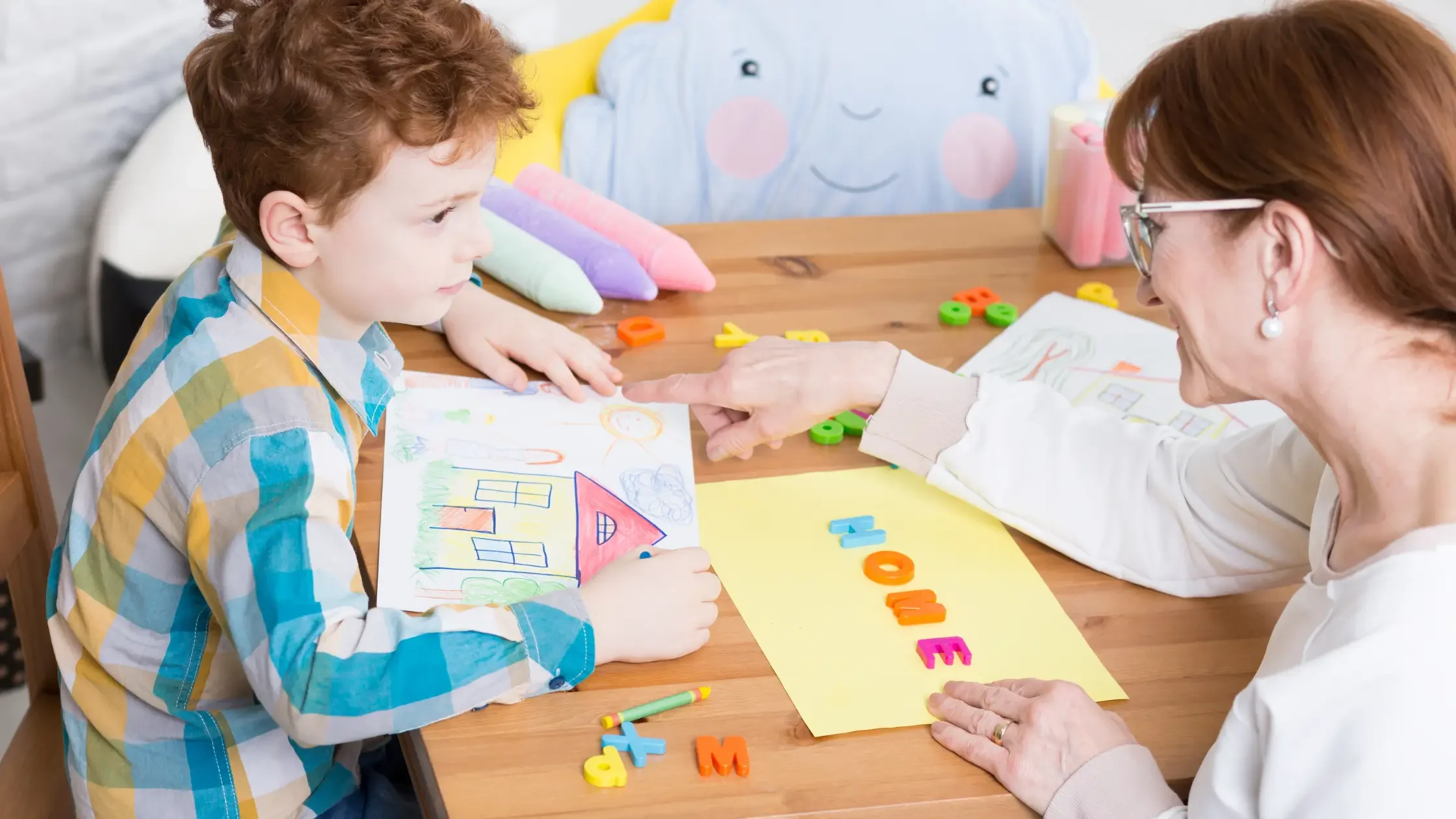
Entering a Child’s World Through Play: How Non-Directive Play Therapy Builds Inner Resilience
If you’ve ever watched your child fully immersed in play, building a tower, pretending to cook, talking to invisible friends, you’ve witnessed something far deeper than a simple pastime. Play is a child’s natural language. It’s how they process the world, express emotions, and work through experiences they can’t yet name. Non-directive play therapy honors this inner world by allowing children to lead the way. Without pushing, fixing, or instructing, it invites healing through connection, trust, and presence.

Sensory-Friendly Play Ideas for Kids of All Ages to Try at Home
Children explore and understand the world through play from building blocks to tossing a ball, it’s both fun and educational. But for sensitive children, play can sometimes feel overwhelming. By choosing calm, low-stimulation activities, parents can create a more comfortable experience. These sensory-friendly play ideas are simple to try at home and support emotional balance and sensory regulation.
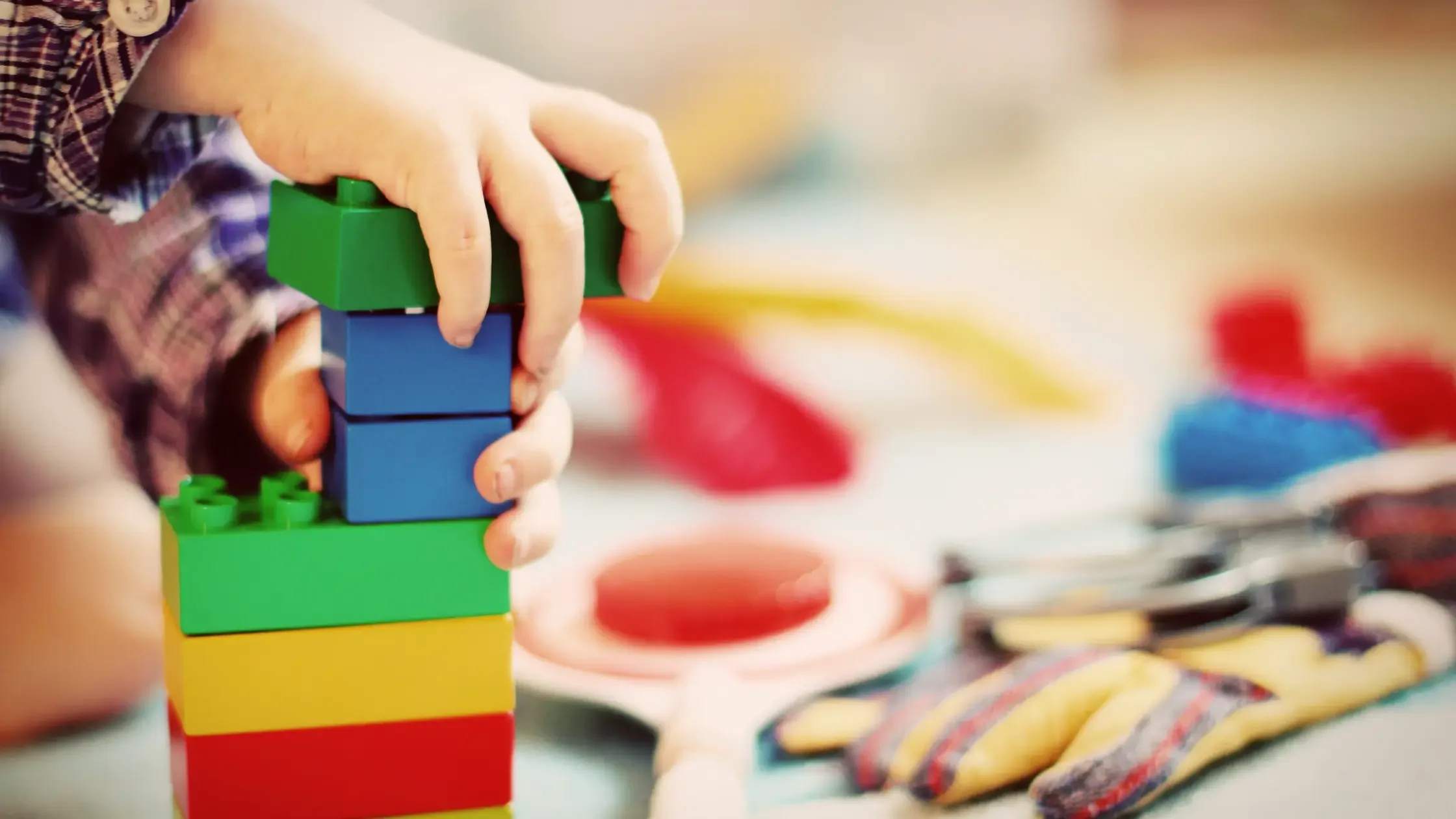
How Play Therapy for Trauma Helps Children Heal Emotionally
Play therapy for trauma invites children into a language they know best: play. In safe, intentional spaces, kids are gently guided through their experiences, without needing to use words they often don’t have. Whether they’ve experienced a single event or ongoing challenges, play becomes their bridge to safety, expression, and growth. It allows them to show us their inner world through stories, movement, art, and connection. With the right therapeutic environment, one that’s safe, relational, and attuned, play therapy becomes more than just play.


The Story of Ada -the wisdom of a little one on a play therapy journey
Three-year-old Ada was referred to play therapy for support around her parents’ recent divorce. Ada’s mom and dad were struggling in the transition to their new lives apart from each other and feared that Ada was forming anxious attachment patterns due to unresolved feelings around the separation… and a play therapy story began.